The New Research Behind Why Bats Rarely Get Cancer
Bats may hold important clues to one of medicine’s biggest mysteries: why some animals live unusually long lives without developing the diseases commonly associated with aging. New findings highlighted in September 2026 have brought bat longevity cancer resistance into sharper focus, revealing surprising connections between immune defenses, DNA damage, and cellular survival.
Unlike most small mammals, certain bat species can survive for decades. Even more remarkable, researchers have found that some long-lived bats possess biological defenses that may help protect them against cancer and infectious diseases.
A major study published in Nature on August 26, 2026, suggests that the same evolutionary adaptations helping bats respond to viruses may also protect their cells from age-related damage. The findings offer an exciting new direction for scientists studying cancer prevention, immune health, and human longevity.
PubMed
+1
Table of Contents
- Why Bats Are Extraordinary Among Mammals
- What the New 2026 Research Discovered
- Bat Longevity Cancer Resistance: The Cellular Connection
- Why Bats Can Carry Viruses Without Always Becoming Sick
- How Bat Immune Systems Differ From Human Immune Systems
- What the Findings Could Mean for Human Health
- Common Myths About Bats and Cancer
- Frequently Asked Questions
- Conclusion
Why Bats Are Extraordinary Among Mammals
Small Bodies, Surprisingly Long Lives
In mammals, body size and lifespan are often related. Large animals, such as elephants and whales, generally live longer than smaller animals, including mice and shrews.
Bats challenge this pattern.
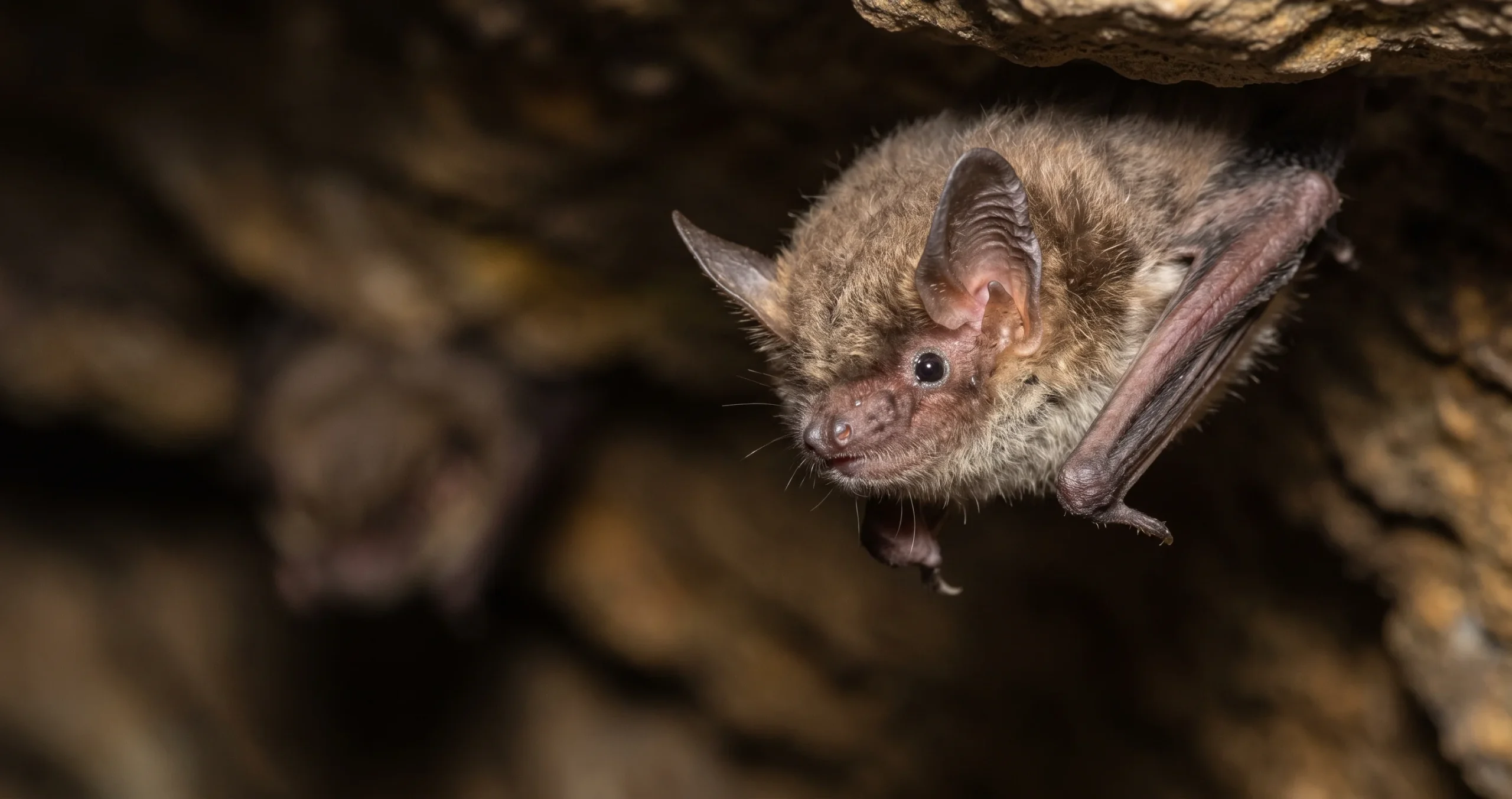
The little brown bat (Myotis lucifugus), for example, weighs only a few grams, yet individuals have been documented surviving for more than three decades. Some other bat species have reached even more remarkable ages.
One Brandt’s bat (Myotis brandtii) was recorded surviving for approximately 50 years, an extraordinary lifespan for such a small mammal.
ScienceDaily
+1
Scientists have long wondered how these animals maintain their bodies for so many years without experiencing the same patterns of age-related deterioration seen in many other mammals.
Why Longevity Creates a Cancer Puzzle
Cancer develops when cells acquire changes that allow them to multiply without normal biological controls.
As animals age, their cells experience repeated stress, DNA damage, and opportunities for harmful mutations to accumulate. Longer lifespans therefore create more time for potentially dangerous cellular changes.
Yet certain bats appear unusually resistant to cancer despite living far longer than expected for their size.
This does not mean bats never develop tumors. Rather, their biology suggests that some species have evolved especially effective ways to limit the consequences of cellular damage.
Understanding those mechanisms is central to research on bat longevity cancer resistance.
What the New 2026 Research Discovered
A Closer Look at Eight Bat Species
The breakthrough came from an international research team involving scientists at Penn State, the University of Vermont, the University of California, Berkeley, and collaborating institutions.
Their study, Insights into longevity and virus-driven adaptation from Myotis bat genomes, examined nearly complete genome sequences from eight closely related bat species.
Researchers compared genetic changes associated with immune responses, viral interactions, longevity, and cancer-related biological pathways.
They also conducted laboratory experiments using bat cells to understand how those cells respond when their DNA is damaged.
The results revealed an important connection: genes involved in fighting infectious threats frequently overlapped with pathways associated with aging and cancer defense.
This suggests that bats did not necessarily evolve their remarkable longevity and disease resistance as completely separate traits. Instead, some protective adaptations may have developed together over millions of years.
The original research is available in the peer-reviewed journal Nature.
PMC
+1
Stronger Defenses Against Cellular Damage
One of the study’s most interesting findings involved differences in how bat cells handle serious DNA damage.
Scientists examined cells from the little brown bat and exposed them to damaging conditions in laboratory experiments.
Instead of primarily activating DNA repair pathways, these cells showed a strong tendency to activate mechanisms associated with programmed cell death.
This response may help prevent severely damaged cells from surviving long enough to accumulate additional harmful mutations.
The researchers also identified evolutionary changes in genes connected to cancer-related pathways, supporting the idea that long-lived bats have developed specialized protective strategies.
However, these experiments do not establish that every bat species uses the same mechanism or that the observed responses completely explain cancer resistance in living animals.
ScienceDaily
+1
Bat Longevity Cancer Resistance: The Cellular Connection
Why Removing Damaged Cells Matters
Every day, cells experience damage from ordinary metabolism, environmental exposure, and the natural processes of living.
Most damage can be repaired. However, some cells become too severely compromised to function safely.
If those cells continue dividing, they may contribute to tumor development.
One important protective mechanism is apoptosis, a regulated process that allows the body to eliminate cells that are no longer safe or useful.
In the 2026 experiments, cells from the little brown bat showed a particularly strong response involving pathways that promote cell death after severe damage.
This suggests that removing compromised cells may be an important part of bat longevity cancer resistance.
Repairing Cells Versus Eliminating Them
Different animals have evolved different approaches to protecting their tissues.
Some rely heavily on detecting and repairing DNA damage. Others have developed strong mechanisms for stopping damaged cells from multiplying or eliminating them altogether.
These strategies are not mutually exclusive.
Bats possess DNA repair mechanisms, but the new research indicates that certain long-lived species may place particular emphasis on eliminating severely damaged cells under specific conditions.
This distinction matters because repairing a badly compromised cell is not always the safest outcome.
In some circumstances, removing the cell before it becomes dangerous may provide better long-term protection.
Why Bats Can Carry Viruses Without Always Becoming Sick
The Difference Between Resistance and Tolerance
Bats are well known for their interactions with viruses, but their immune biology is often misunderstood.
Some bat species can carry particular viruses without developing severe symptoms. This does not mean that every bat tolerates every virus or that bats are immune to infectious diseases.
Scientists distinguish between two important defenses.
Disease resistance involves limiting or eliminating a pathogen, while disease tolerance involves reducing the harm caused by infection, even when the pathogen remains present.
Both strategies can contribute to survival.
Certain bats appear to have evolved combinations of antiviral defenses and mechanisms that limit damaging immune responses.
These adaptations may help explain why some infections produce less obvious disease in their natural hosts than they might in other mammals.
The Role of Inflammation
Inflammation is an essential part of the immune response.
It helps the body respond to infections and damaged tissues. However, excessive or prolonged inflammation can harm healthy cells and contribute to chronic disease.
Researchers studying bats have investigated how these animals regulate inflammatory responses while maintaining protection against infectious threats.
This balance may be especially important for animals that experience repeated viral exposure throughout long lives.
The 2026 research adds another dimension by showing that genetic adaptations associated with viral interactions can overlap with pathways involved in longevity and cancer protection.
It strengthens the possibility that infection control, cellular maintenance, and aging are biologically interconnected.
How Bat Immune Systems Differ From Human Immune Systems
An Evolutionary Strategy Shaped by Viruses
The new genomic analysis found that Myotis bats have experienced unusual evolutionary changes in genes involved in viral defense.
The researchers identified evidence of positive selection affecting proteins that interact with DNA viruses.
They also found changes in the number of copies of certain genes involved in responses to RNA viruses.
One important example is the immune-related gene EIF2AK2, which produces a protein commonly called PKR.
PKR helps cells respond to viral activity and cellular stress. Some Myotis species possess multiple versions of this gene, potentially expanding the range of viral challenges their cells can recognize or respond to.
These findings suggest that bat antiviral defenses have evolved through several distinct genetic mechanisms rather than one universally stronger immune response.
PubMed
+1
Why a More Active Immune System Is Not Always Better
Human immune systems must balance defense against infection with the prevention of unnecessary tissue damage.
An immune response that remains excessively active can contribute to inflammation, autoimmune disorders, and other health problems.
Bats face similar biological challenges, but some species appear to have evolved different ways of managing them.
The important lesson is not that humans need stronger immune systems in every situation.
Instead, researchers are interested in how immune defenses can remain effective while avoiding excessive damage and maintaining healthy tissues over time.
That balance may be one of the most valuable insights from bat longevity cancer resistance research.
What the Findings Could Mean for Human Health
New Directions for Cancer Research
The discovery that certain bat cells rapidly activate pathways for eliminating severely damaged cells raises important questions for cancer biology.
Scientists may eventually identify molecular mechanisms that help distinguish cells worth repairing from those that should be removed.
Understanding those mechanisms could inform research into tumor suppression, early cancer development, and cellular quality control.
However, translating findings from bats into human treatments will require substantial additional research.
Human tissues differ from bat tissues, and increasing cell death indiscriminately could damage healthy organs.
The goal would be to understand protective biological pathways well enough to determine whether they can be safely targeted.
Understanding Healthy Aging
Aging involves many interconnected processes, including DNA damage, changes in immune function, metabolic stress, and declining cellular maintenance.
The new research suggests that these processes may share evolutionary and genetic foundations.
This could encourage scientists to study age-related diseases as connected biological problems rather than entirely independent conditions.
For example, mechanisms that help maintain immune function might also influence how effectively the body detects and removes potentially dangerous cells.
Such connections could eventually contribute to strategies aimed at extending healthy lifespan, although the current findings do not demonstrate a way to slow human aging.
Why Comparative Biology Matters
Bats are not the only animals that interest longevity researchers.
Elephants, whales, naked mole-rats, and other unusual mammals provide opportunities to study how evolution has solved different biological challenges.
By comparing these species, researchers can identify protective mechanisms that may be difficult to recognize through human studies alone.
Bat longevity cancer resistance offers a particularly interesting example because it combines exceptional lifespan, viral interactions, and cellular defense within a relatively small mammal.
For readers interested in the wider relationship between animals and ecosystems, explore more nature and wildlife coverage at Secrets of the Green Garden.
Common Myths About Bats and Cancer
Myth 1: Bats Never Develop Cancer
Bats are not completely immune to cancer.
Tumors have been documented in bats, and cancer occurrence can vary among species and individuals.
The scientific interest comes from their apparent ability to avoid or suppress some forms of disease despite unusually long lifespans.
Myth 2: All Bats Have the Same Immune System
There are more than 1,400 recognized bat species, representing an enormous range of evolutionary histories and ecological adaptations.
The 2026 study focused on eight closely related Myotis species.
Its findings should not automatically be applied to every bat species.
Myth 3: Bats Can Carry Every Virus Without Becoming Sick
Some bats tolerate certain viral infections, but they can still become ill from infectious diseases.
White-nose syndrome, caused by a fungal pathogen, has devastated populations of several North American bat species.
Their unusual immune biology does not make them invulnerable.
Myth 4: Scientists Have Found a Cure for Human Cancer
The new findings identify promising biological mechanisms, not a treatment.
No human cancer therapy has been established from this study.
Further experiments will be necessary to determine whether the identified pathways can be safely or effectively applied in medicine.
Frequently Asked Questions
Why do bats rarely get cancer?
Certain long-lived bats appear to possess genetic and cellular defenses that reduce the risk of damaged cells becoming dangerous. The 2026 research identified links between viral defense, cancer-related genes, and mechanisms that eliminate severely damaged cells.
How long can bats live?
Lifespan varies considerably between species. Some small bats survive only a few years, while exceptional individuals from certain species have lived for several decades, including a documented Brandt’s bat reaching approximately 50 years.
Can bats carry viruses without getting sick?
Yes. Some bat species can carry particular viruses without showing severe illness. However, this ability varies by virus and species, and bats are not immune to all infections.
What did the September 2026 research reveal?
Research publicized in September, following its August publication in Nature, found that genetic adaptations associated with immunity and viral interactions overlap with pathways involved in longevity and cancer resistance. Laboratory experiments also identified an unusual response to severe DNA damage in little brown bat cells.
Could bat research help humans live longer?
Potentially, but the medical applications remain uncertain. Scientists hope that understanding bat immune regulation and cellular maintenance may eventually contribute to research on healthy aging, cancer prevention, and age-related disease.
Conclusion
The latest discoveries surrounding bat longevity cancer resistance reveal how much scientists can learn from animals that have evolved unusual ways of surviving.
By studying eight Myotis species, researchers uncovered connections between antiviral defenses, aging-related genes, and the removal of damaged cells.
These findings suggest that some of the biological mechanisms helping bats manage infections may also contribute to their remarkable lifespans and apparent resistance to certain age-related diseases.
The research does not provide a cure for cancer or a proven method for extending human life. Nevertheless, it offers a scientifically grounded direction for future investigation.
For now, bats remain a remarkable example of how evolution can produce sophisticated defenses against the biological challenges of aging.
2 Internal Link Suggestions
These are verified existing articles on secretsofthegreengarden.com.
1. How Honduran White Bats Build Leaf Tents to Survive in the Rainforest — Best placed in the article’s discussion of bat diversity and evolutionary adaptations.
green garden
2. Leopard Gecko Tail Regeneration: 7 Amazing Survival Secrets Revealed — Relevant to the discussion of cellular maintenance, repair, and unusual animal survival mechanisms.
green garden
For the in-body internal link requirement, replace the general homepage link in the article with the Honduran white bat article above.
3 External Dofollow Authoritative Sources
| Source | URL | Purpose |
|---|---|---|
| Nature — Original Research | doi.org/10.1038/s41586-026-10932-7 | Primary peer-reviewed scientific evidence |
| Penn State — Research Explanation | science.psu.edu/news/secret-bats-longevity-linked-immune-response-viruses-and-cancer | Research methods, findings, and interpretation |
| University of California, Berkeley — Research Coverage | Berkeley Computational Biology | Independent institutional explanation of the genetic findings |
Use ordinary editorial hyperlinks without rel="nofollow" or rel="sponsored" for these citations.
Editorial verification: The underlying Nature study was published August 26, 2026, and received substantial coverage in September. Its findings support a potential relationship between bat longevity, antiviral adaptations, and cancer resistance, but do not establish a human cancer treatment.
PubMed
+1